All Categories
Featured
Table of Contents
Improper mowing (dull mower blades, removing too much of the leaf)and insufficient water will worry the turf and make it more prone to illness. Watering in the early night encourages many leaf diseases by keeping leaves moist for extended periods. Other fungi may endure in the soil and cause root rots which go undetected up until durations of drought or other tensions.
Well-managed grass has a better opportunity of healing than turf that may have been having a hard time to survive before the infection. Appropriate recognition is vital to figure out if the illness needs a fungicide treatment or if the grass will recuperate without fungicide. While there are lots of illness of grass, just the most typical are explained here.

Lethal ring area is triggered by a fungi which decomposes the roots and crowns of turfgrasses. 3- to 4-inch size lethal, or brown, spots appear in the turf. The areas increase the size of to 512 inches in size as the disease establishes. Grass or weeds might fill in the center of older spots, producing a phenomenon referred to as a "frogeye" pattern.
Dead spots become visible during hot, dry weather condition due to the fact that the turf is unable to take in enough water to remain green. Necrotic ring spot damage is frequently most extreme in the first 2 to 4 years after Kentucky bluegrass sod is installed, however damage tends to decrease in time as the microbial population on the turfgrass roots begins to stabilize.
Navigating the Seasonal Shift for Local TurfgrassA Detailed Guide to Neighborhood Garden Maintenance Providers
In addition, light and frequent watering throughout hot, dry periods might assist the affected grass survive. Adequate fertilization is very important to motivate turfgrass healing once the active infection of the fungi has ended. Fungicides are not usually recommended for lethal ring spot control because they have actually restricted efficacy and are hard to locate down to the roots where the infection takes place.

Rusts happen on all turfgrass types but are mainly observed on seasonal ryegrass and Kentucky bluegrass. The primary rust observed on Kentucky bluegrass is stem rust and the main rust observed on seasonal ryegrass is crown rust. The fungi grows inside the plant, frequently turning the leaves orange or yellow or triggering orange or yellow spots.
This disease takes place during durations of sluggish grass development in the late summer season and fall. Rust hardly ever eliminates the turf, but it can considerably stunt turfgrass growth, give the lawn an unattractive look, and stain shoes and clothes when its spores rub off. To quicken recovery, use a percentage of fertilizer (as much as pound of nitrogen per 1000 sq feet) and gently water.
Navigating the Seasonal Shift for Local TurfgrassLeaf spot is brought on by two main kinds of leaf area illness, Bipolaris leaf area and Drechslera leaf spot. All turfgrass types are prone, although heavily fertilized, overwatered turf is most prone. Two phases of the illness, each triggered by a various fungi, take place during the year. Drechslera leaf area takes place during cool, damp weather condition in the spring and fall.
Bipolaris leaf spot occurs throughout hot and damp conditions during the summer season, and red or pink-colored lesions can blight and blemish the turfgrass stand. With both leaf area illness, serious infection can lead to plant thinning or death. Most of the times, however, the grass is temporarily discolored throughout infection but the turfgrass recovers as soon as the environmental conditions change and no longer favor fungal growth.
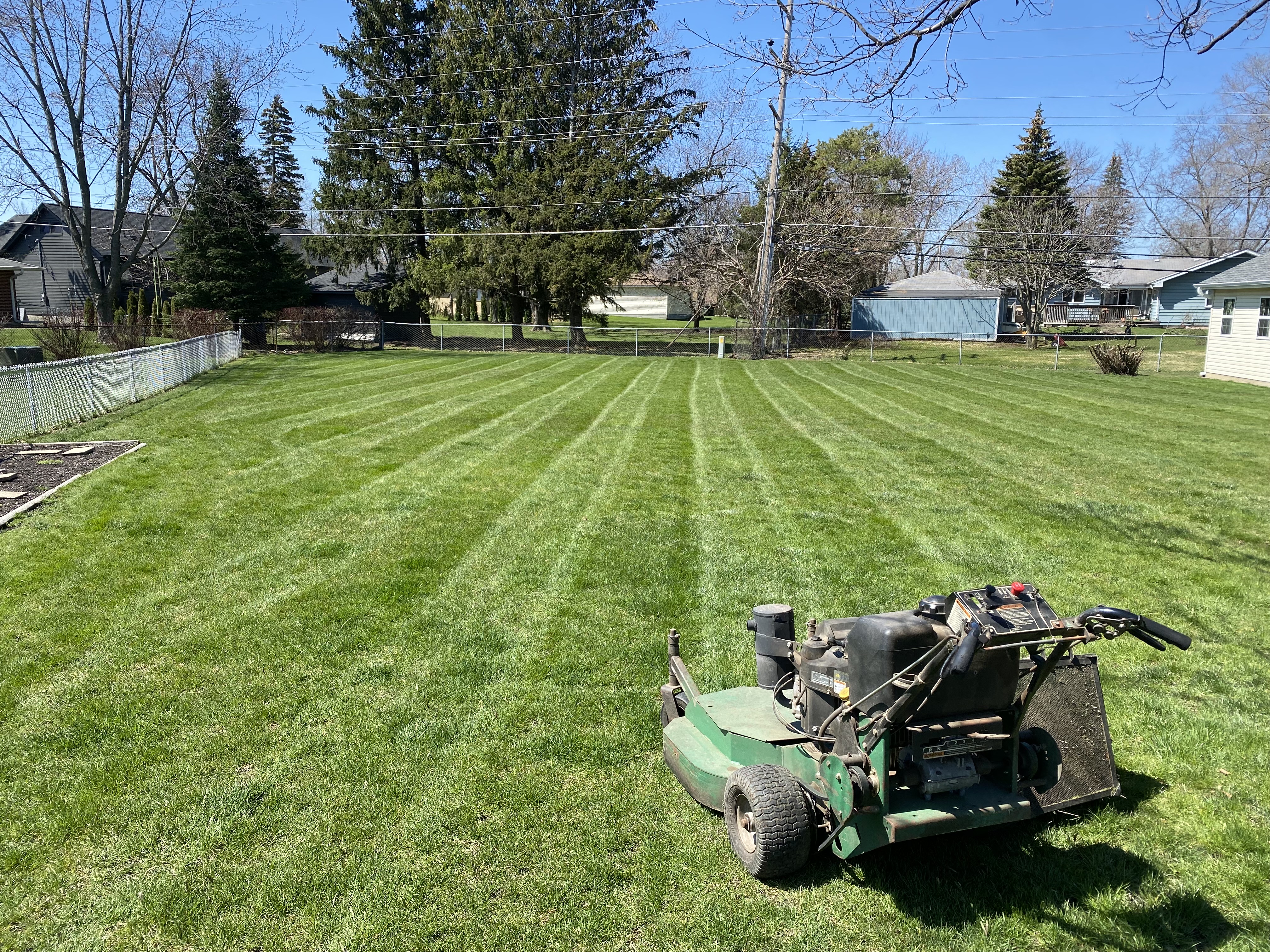
A Detailed Directory to Neighborhood Lawn Maintenance Teams
Powdery mildew is triggered by a fungus which forms a white powder-like growth on the surface area of the leaf. This disease is more widespread in shady, moist locations and is seen mostly on Kentucky bluegrass. Powdery mildew does not substantially hurt turfgrass, but can be related to thinning turfgrass since of heavy shade limiting photosynthesis of the turfgrass plant.
In addition, selective pruning or tree removal can increase sunshine penetration and air motion and decrease grainy mildew. Fungicides are not advised for control of grainy mildew due to the fact that the disease hardly ever hurts the turf. Fairy rings are dark green rings or arcs in turf, ranging in size from a number of inches to over 10 feet in size.
All turfgrasses are prone. Occasionally, mushrooms grow along the edge of the ring, however the main part of the fungi is generally deep in the soil. The majority of mushrooms associated with fairy ring are not poisonous to people or animals, however seek advice from a local mycologist before consuming. Fairy rings establish as fungis disintegrate raw material, such as buried stumps, branches, or construction debris.
Why Choose Professional Property Care for Your Yard
Changing the soil is not a reliable fairy ring management method considering that it's most likely the new soil will also have basidiomycete fungi included. Fungicides are not usually advised for fairy ring control due to the fact that they aren't generally extremely reliable and they require to be located down to the soil where the fungis live.

Latest Posts
When You Desire Better Results, Hire A Local Amsterdam Dating Consultant
Invest In Your Future With An Amsterdam Dating Consultant
Top Home Garden Maintenance Plans for 2026